18 Fabulous Wine Party Ideas For Learning More About Wine And Charming Your Friends

Some Basic Guidelines
1. A wine party or a wine tasting party is a gathering, usually accompanied by food, sometimes with a theme, where guests sample different wines and discuss their experience.
It is meant as a learning and discovery affair and can coincide with brunch, dinner, or any other meal. Ultimately, it is meant to be enjoyed, so don’t take it too seriously!
2. Stick to 3-8 distinct wines. You can have multiples of the same wine if you have a larger group.
3. Progress from lighter wines to heavier wines, dry to sweet, young to old. Which typically means sparkling wine, white wine, rose/orange wine, red wine, dessert wine.
4. Wine pours should be ~2 ounces. You can use a measuring cup on the first few rounds until you are able to eyeball a 2 ounce pour.
5. If any part of the tasting is blind, make sure to get some brown bags from the store when purchasing the wine, or use tasting bags, and open the wines in a separate room.
Wine Tasting Party Ideas
1. Cheese & Wine
Probably the most classic wine party is a wine and cheese party. Who wouldn’t love this quintessential and sophisticated pairing? Part of the reason cheese and wine pair so well together is because they are on the opposite sides of the taste spectrum.
The creaminess of the cheese matched with the astringency of the wine creates a pleasant mouthfeel. In addition, cheese is created all over the world and can vary from region to region, just like wine. The rule of thumb when pairing cheese and wine is to match the intensity of the cheese with the intensity of the wine.
Cheese and wine tastings can be free form or structured. For a structured party, pick specific cheeses to go with each wine. Then create stations – each wine paired with its cheese.
If you’re looking for a more relaxed vibe, set up a wine area and a cheese area and let people graze. Don’t forget the accouterments for the cheese! Pickles, mustards, fruit, and crackers are much appreciated at a cheese and wine party.
For an added bonus, at every wine and cheese party, I like to have a mystery cheese. If someone is able to guess what kind of cheese it is, they win a bottle of wine to take home. Trust me, this is surprisingly challenging!
2. Chocolate & Wine
In the same vein as a cheese & wine party, chocolate can serve as an exceptional accompaniment to wine. Hence why we have a chocolate tasting party on the list!
Chocolate provides that same creaminess as cheese, but it comes with a new element of tannins. Just like wine, chocolate also has tannins, and sometimes putting tannins against tannins is overwhelming.
Dark chocolate tends to be the most challenging to pair, but as long as you go with a dessert wine like port or a jammier red with residual sugar and fruity flavors (American Zinfandel or Malbec should do the trick), you will have a great match. We also got you covered with this cheat sheet. Although you will find many other pairings for each chocolate, these are our favorites.
3. Blind Tasting
Sometimes seen as a parlor trick, blind tasting is actually a learned skill. Sommeliers often refer to it as deductive tasting because you work systematically through seeing, smelling, and tasting to come to the best conclusion based on your wine knowledge.
The more you know about varietals and regions, the more likely you are to conclude what the wine is without looking at the bottle. And don’t get ahead of yourself!
Even experienced tasters can fool themselves because they smelled one thing, but didn’t consider the color or the alcohol level. Going through all of the steps is the only way to ensure you have all of the information.
Now, let’s get to the blind wine tasting party details!
As the host, you will be buying the wines and will know which ones you will be tasting. However, you can brown bag them and they have another person number them so you don’t know which one you are tasting.
Another way is to have everyone bring one bottle in a brown bag, have the host mix them up and number them.
You will taste through each wine using a wine tasting grid. Here are a few grid you can use.
Red & White Wine Tasting Grids (FREE)
Wine Tasting Placemats (20 Pack)
At the end, everyone can see how close they came to getting the answer right.
I also recommend using grapes and regions that are more popular, especially if you are newbies. It will be impossible to get to the correct conclusion if no one has heard of the grape, so give yourselves a little break!
4. Pop Culture Wines
If you want to throw a wine party for complete newbies, it’s often best to start with the popular varietals that they have probably heard of, but don’t know much about.
In America, that list tends to consist of Malbec, Cabernet Sauvignon, Pinot Noir, Pinot Grigio/Gris, Sauvignon Blanc, Riesling, and Chardonnay.
Pick a handful that you think people will like and pull some information about the producer and the grape. Talk a little about the background of each while your friends taste and discuss.

Photo by Francisco Deane on Unsplash
5. Regional Party
Another fun way to explore wine and food is to have a regional wine tasting.
Planning is very simple, just pick an area of the wine world. Select 3-6 wines from that region and make 2-4 foods from that area to taste with the wine.
6. Deep Dive Regional
If you have guests that are already familiar with a wine region, this is a way to get a little nerdy with it!
Pick a few areas within the region and choose some notable varietals.
Let’s do an example, say you want to explore California wines. You decide to pick Sonoma, Dry Creek, and Napa Valley. Get a Zinfandel and Merlot from Sonoma. A Zinfandel and Sauvignon Blanc from Dry Creek. A Cabernet Sauvignon and Chardonnay from Napa.
Create a station for each region and add a little information about the region like the soil and climate. Allow guests to serve themselves.
7. Horizontal Tasting
This can be done in a couple of ways. Horizontal wine tasting is serving wines from the same grape and a single vintage, either from the same region or from around the world.
A slight variation I’ve seen is a single vintage from one region, different producers, but the grape type can vary. It’s a good way to see the trademarks of a certain region. Look for commonalities and differences.
Or in the world version, see how wildly different grapes can be when grown in different climates. It helps establish an understanding of region, soil, climate, and traditions.
8. Vertical Tasting
A vertical wine tasting is serving wine from a single producer, the same grape from different years. This is a way to nerd out on some of your favorite wine producers.
It also can give you a look into how that particular wine ages. Make sure to look up which years were hot and which years were cool. See how the weather plays a part of what ends up in your bottle.
9. Priceless Tasting
This is where you see if that $100 price tag is worth it! Now the expensive wine does not need to be $100, but make sure you pick something at least $75+ for the expensive wine.
Also don’t completely cheap out on the low price wine! Make sure it is something in the $15-30 range. Pick the same grape varietal from the same region. Same vintage is a plus, but not necessary.
For this wine tasting, have two glasses for each person, then pour a taste of each one for each guest. Mix them up after putting them in brown bags so even you don’t know which is which. Just make sure to label the bags!
If you want to really go big, you can make your low price wine bottle the $75 wine and pick a $500 wine for your expensive wine bottle. At this level, the differences tend to be more subtle.
10. Price Tier Tasting
This is similar to the Priceless wine tasting, except we’re adding more categories. Still pick the same grape varietal from the same region. Same vintage is a plus, but not necessary. Then purchase the wine bottles based on price:
Under $20, $20-50, $50-100, $100+
Let everyone blind taste the wines. It’s best if you can have 4 glasses for each person so they can taste them side by side and move between them. This tends to be a little more challenging of a tasting, which makes it all the more exciting!
Photo by Kevin Kelly on Unsplash
11. New vs Old World
For those not familiar, Old World wine is wine made in Europe and New World wine is everything else. There is some nuance and there’s even Ancient World Wine, but for the most part it’s Europe vs everywhere else.
The reason we care about New World Wines vs Old World Wines is because they group flavor profiles together. Old World tends to be lighter bodied, lower alcohol, higher acidity, and earthy flavors. New World tends to be fuller bodied, higher alcohol, lower acidity, and fruit driven flavors. This goes for all the wines, not just red wines or white wines.
As my sommelier teacher said, “In New World wine, fruit drives the bus”.
For the tasting, have each guest taste a New World wine and an Old World wine from the same varietal, side by side. It is eye opening how different the two can be, just because of the region.
You can use any grape varietals to taste, but some distinctly notable ones to try would be Napa Cabernet Sauvignon and Chardonnay vs French Cabernet Sauvignon and Chardonnay.
Malbec is another grape that really shows terroir. You can find a 100% Malbec from Chile, but Malbec from France tends to be blended with Merlot or Tannat. Still worth a tasting comparison.
12. Aged vs Unaged
Tasting aged vs unaged wine is another deep dive into grape varietals. Some wines are produced without aging, while others spend time aging barrels before bottling. Barrels vary, but they tend to be made from oak, stainless, concrete, and clay.
Italian wines are good for this kind of tasting.
Barolo is made from the Nebbiolo grape. You can find Nebbiolo wines produced without aging. Barolo must be aged for a minimum of 38 months, with at least 18 months in oak or chestnut barrels. Barolo Riserva must be aged for 62 months with at least 18 months in oak before put in wine bottles.
Valpolicella and Amarone are made from the same grape blend, mainly Corvina, Corvinone, Molinara, and Roninella. Valpolicella is produced without any aging. Amarone partially dries the grapes before fermentation. Amarone is aged for 2 years, whereas Amarone Riserva is aged 4 years.
For either of those grape varietals, taste the 3 types side by side: Unaged, Aged, and Riserva. Taste in order of age.
13. Hire a Sommelier
If any of this is seeming like too much and you’re not trying to be the teacher, you can look for a sommelier to hire for your tasting. Sommelier teaching classes exist in some areas, kind of like home cooking classes.
If there isn’t someone in your area, you can ask around at your favorite wine bar or if you know a friend in the service industry, they might be able to help find someone.
You will have to collaborate with the sommelier ahead of time about the tasting menu and will still probably need to purchase the wine yourself to appease liquor laws. But on the day of the tasting, you can be just like one of the guests and able to have a delightful learning experience.
Your tasting would probably have to be held on the sommelier’s off day, unless you really want to pay them a lot and give them a heads up to ask off work.
Photo by Louis Hansel on Unsplash
14. Wine Potluck
Wine tastings don’t have to be so formal! Just like a regular potluck, you can host a wine tasting by asking guests to bring a bottle of wine.
This could turn into a blind wine tasting party or just have everyone put their wine bottles on the table and let them serve themselves.
You could also ask guests to bring a dish to make it a true potluck, or you can provide the food for the wine party.
15. Homemade Aroma Tasting
I know this sounds a little funny, but it can really add to the experience of tasting! Have you ever smelled something familiar in wine, but couldn’t put your finger on the scent? Well, food, flowers, and spices you find around your house could help you learn to pick those exact aromas out in the wine.
First you will pick out your wines for the party, then look up aromas characteristic of that wine from that region.
As an example, Chianti is a red blend from Tuscany primarily made from Sangiovese grapes. Its aromas can include cherries, balsamic vinegar, tobacco, tomato leaf, oregano, etc.
Gather as many of those items as you can for the tasting. Line up the foods and spices and have everyone smell each item. Pour the wine. Begin smelling and tasting the wine.
You will be surprised how easily some scents are to pick out now that they are fresh on your mind!
16. Aroma Kit Tasting
If collecting all of the physical items for your tasting seems too tedious, you can buy an aroma kit online. You will go through the same steps as above.
Smell the aromas commonly found in your wine. Then smell and taste your wine.
Remember, just because it is a commonly found aroma or flavor found in your wine, does not mean it will always appear in the wine.
Plus individuals all have differing taste buds, so some things may be more pronounced for one person than another.
17. Garden Tasting
This is a little spin on the previous two party ideas. If you have a vegetable or flower garden in your outdoor space, then you can use it to learn more about wines.
Say you have a blackberry bush in your yard, you could buy a zinfandel or a barbera wine to taste with the blackberries.
Basil plant? Trebbiano would work well.
Hibiscus? Nebbiolo or pinot noir.
Look around your garden to see what kind of aromas would match those found in wine.
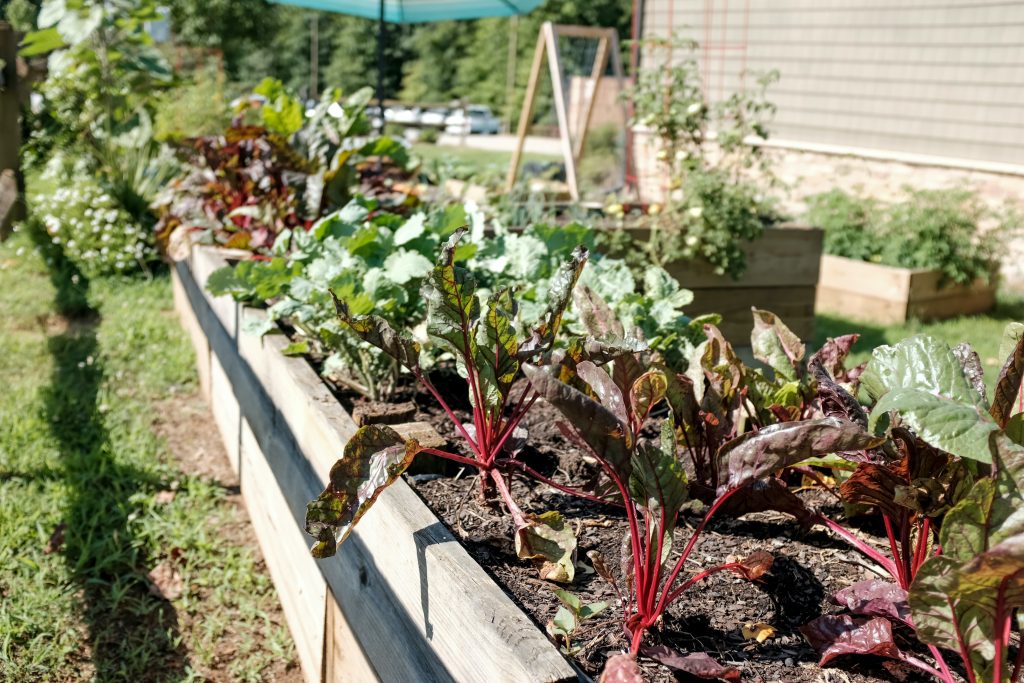
Photo by Louis Hansel on Unsplash
18. Prix Fixe with Wine Pairings
This is when you want to go all out! This wine party takes the most planning and requires the most skill because not only do you need to know about wine, but you also need to be able to cook food to pair with the wine. Unless you cater the food, which would really push this party to the next level!
Planning the menu can start with the food or the wine. You can use one of the wine party guidelines listed above like a regional or horizontal tasting.
Or you can start with your food menu and pick wines to pair with each course. Wines do not have to be connected to each other. The most important thing is that they pair with the course.
The most basic prix fixe menu is 3 courses, but can go to as many as 10+ courses!
Three to five courses is probably best for your first prix fixe dinner with wine pairings. After you have more experience, you will feel more confident in playing with courses and menus.
Wine Tasting Party Tips:
Seating
Make sure you have enough room for your guests to sit at the wine tasting party. Some standing room is okay, but if they are taking notes, or tasting 3 white wines side by side, it is best to have a seat at a table or bar for everyone.
Wine (2 oz pours) 3-6 wines
There are approximately 25 ounces of wine in a bottle. Therefore, you will have 12 wine tastings per wine bottle. You will need a new bottle for every 12 guests. It is recommended that you stick with 3-6 distinct bottle to taste because of palate fatigue and guests getting a little too tipsy!
Ice Bucket
Have a wine chiller or an ice bucket handy for the white wines. You can use a regular cooler if you have a bunch of white wines opened.
Glasses
Make sure you have at least one wine glass per person. If you have a large group and you are doing several wines side by side, you can buy short disposable cups, but make sure they are clear! You want the guests to be able to see the color of their wine.
Corkscrew
A corkscrew is essential for most wines. There are several types, but I highly recommend using a wine key, also known as a waiter’s corkscrew.
Plates & Utensils
If you are serving food, make sure you have enough plates, napkins, and utensils for all of your friends.
Water
Have water available for guests to sip between the tastings. Still and sparkling water is appreciated. Some people like to rinse their glass between tastings with water. I prefer rinsing with a touch of wine.
Dump Bucket
Make sure you have dump or sip buckets spaced out so everyone has one within reach. Not everyone wants to get drunk at a wine tasting.
Palate Cleansers
To keep your taste buds functional, put some crackers or sparkling water on the table.
Wine Mats, Pen, & Paper
Make sure you have enough wine mats and pens for guests to take notes about their wine. Blank pages or paper work fine, but wine mats are essential for a blind wine tasting party. You can also download one of these tasting grids. Or even create your own!
Red & White Wine Tasting Grids (FREE)
Wine Tasting Placemats (20 pack)
Candles
If you have candles at the party, make sure they aren’t scented candles! The scent from the candle can throw off everyone’s palate.